
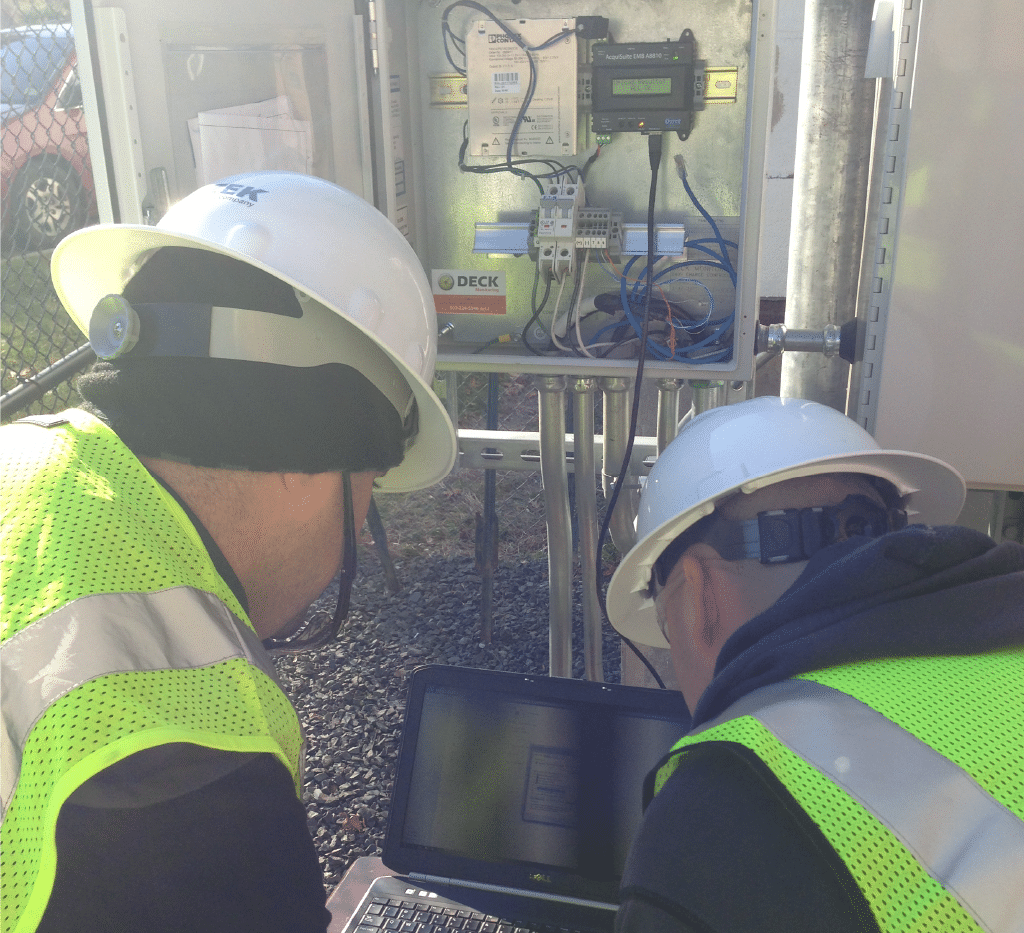

FEOC Compliance: Balancing Tax Credits and Energy Yield
For years, discussions around Foreign Entities of Concern (FEOC) compliance have been centered on procurement and ...
Read More.png)
Value Engineering Steel Pile Foundations for Utility-Scale Solar Projects
In today's utility-scale solar market, developers, EPCs, and asset owners face increasing pressure to reduce project ...
Read More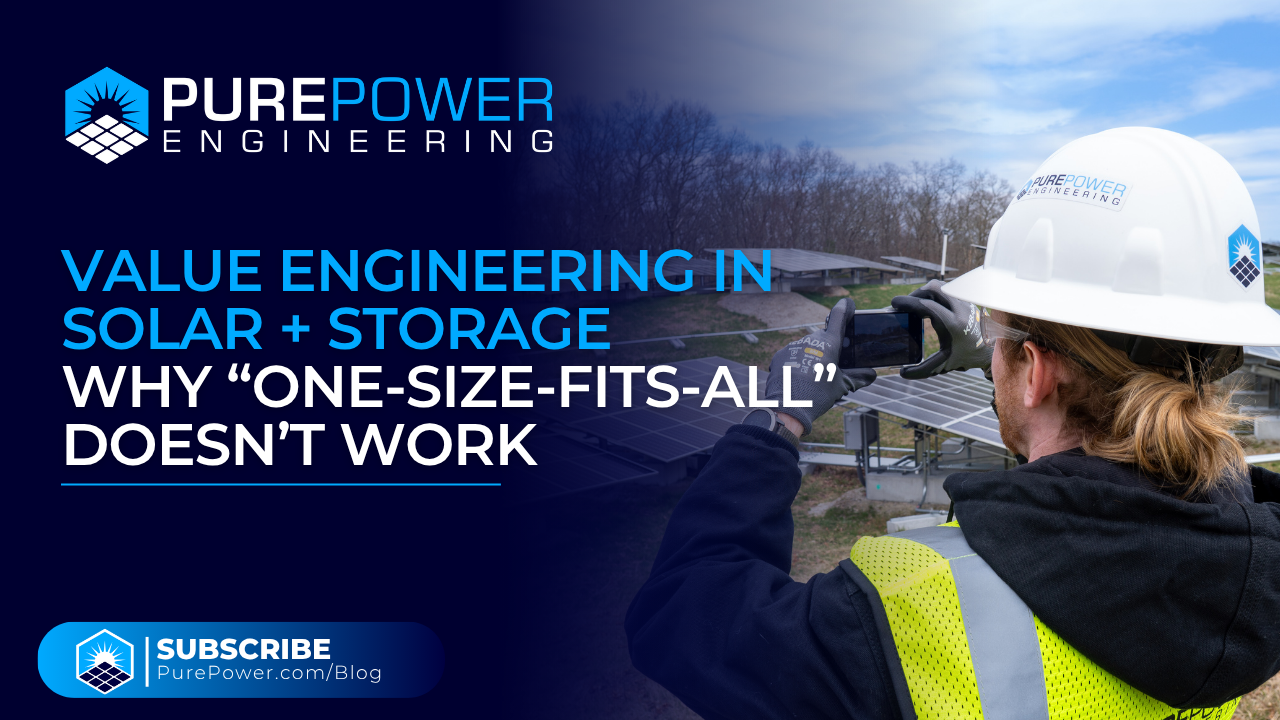
Value Engineering in Solar + Storage - Why “One-Size-Fits-All” Doesn’t Work
Value engineering is the process of reducing costs while carefully balancing impacts on quality, performance, and ...
Read More
Value Engineering Tips See More
For years, discussions around Foreign Entities of Concern (FEOC) compliance have been centered on procurement and policy. Developers focused on sourcing enough qualifying equipment to preserve access to federal tax credits, while EPCs concentrated..
In today's utility-scale solar market, developers, EPCs, and asset owners face increasing pressure to reduce project costs while maintaining long-term reliability and performance. One of the most significant opportunities for value engineering..
Value engineering is the process of reducing costs while carefully balancing impacts on quality, performance, and long-term outcomes. It’s much less about finding a single “optimal” solution and more about navigating a series of trade-offs that vary..
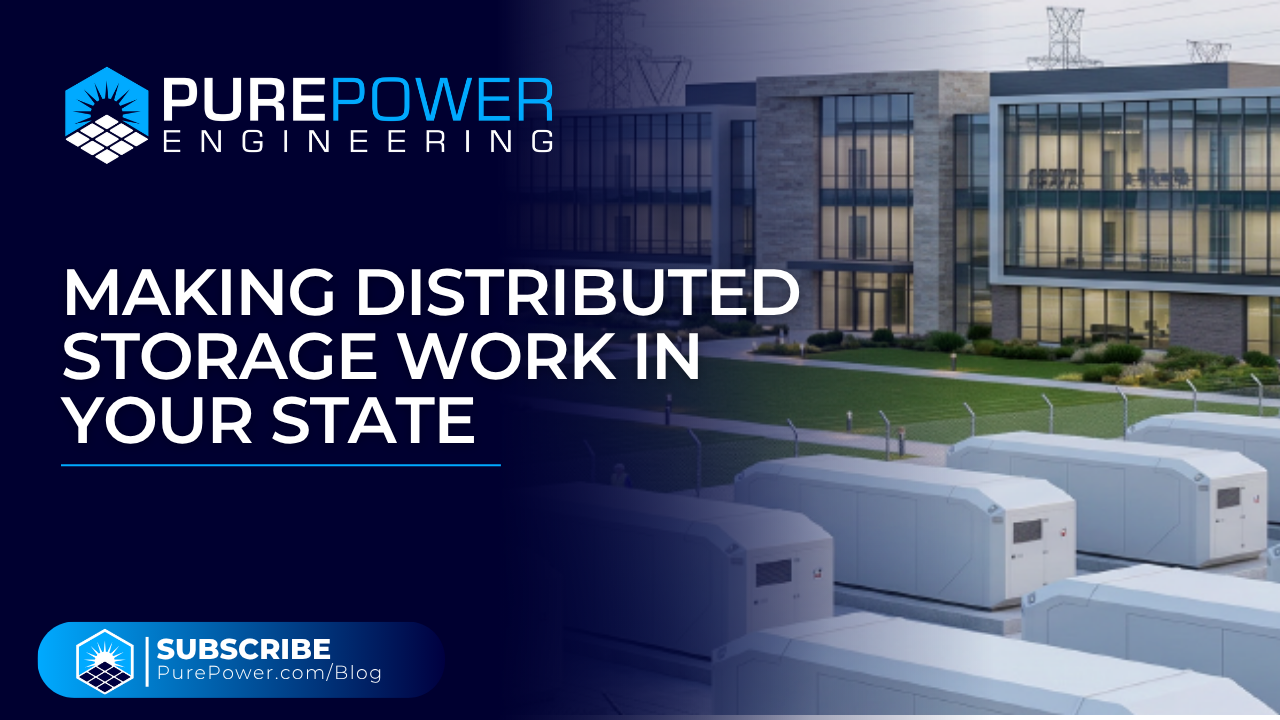
Energy storage can be the “Swiss-army knife” of the electricity grid. Reports for more than a decade have demonstrated the value storage can provide. But now that states have moved from piloting energy storage to adopting it at scale, there is a..